

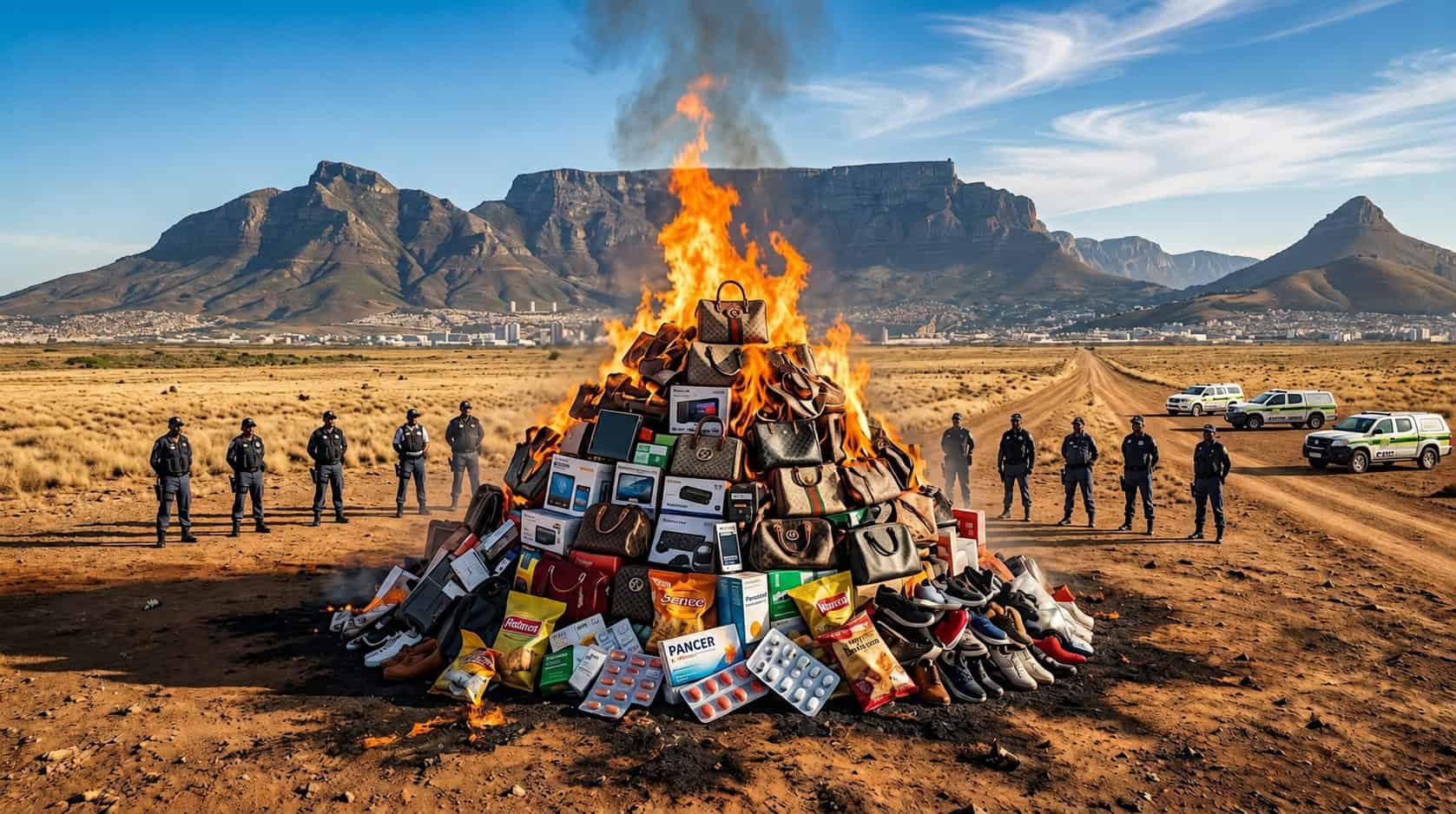
The Fight Against Counterfeit Goods in South Africa
South Africa continues to grapple with the pervasive and evolving issue of counterfeit goods. This scourge, fueled by persistent economic hardships, high unemployment, and a thriving illicit market, poses a significant threat to our national economy, legitimate businesses, and unsuspecting consumers. It remains more critical than ever to take a firm stand and protect intellectual property (IP) rights.
The proliferation of counterfeit products systematically undermines legitimate businesses by stealing their market share and severely damaging their brand reputations. For consumers, these fake goods present a direct health and safety risk, as they are produced entirely outside of regulatory frameworks and without adhering to quality control standards. Furthermore, the trade in counterfeit goods is deeply intertwined with broader networks of organised crime, making it a multifaceted problem requiring urgent, coordinated national attention.
While historically associated with luxury fashion and digital media, the modern counterfeit landscape has shifted dangerously into everyday fast-moving consumer goods (FMCG). Today, markets are flooded with counterfeit pharmaceuticals, cosmetics, electronics, and even altered food products. This erodes consumer trust, stifles local innovation, and deprives the government of billions of Rands in much-needed tax revenue that could otherwise fund public infrastructure and services.
Fortunately, South Africa maintains a robust legal framework to combat this menace. The Counterfeit Goods Act of 1997 remains the primary mechanism providing intellectual property owners with recourse against those who infringe on their trademarks and copyrights. The Act covers a wide range of offences, spanning from the manufacturing and importation of fake goods to their distribution, storage, and retail sale.
However, enforcing these laws effectively requires constant vigilance and cross-sector cooperation:
- Investigation: Intellectual property owners can report suspected counterfeit activities to the Department of Trade, Industry and Competition (the DTIC), which is empowered to investigate and take administrative action.
- Criminal Enforcement: The South African Police Service (SAPS)—particularly through specialised operations like the National Counterfeit and Illicit Goods Unit—regularly coordinates high-impact raids on distribution hubs and marketplaces to seize illicit stock and make arrests.
- Border Control: Customs authorities play a critical front-line role in stopping fake goods before they enter the domestic market. By formally registering their trademarks with the Customs division of the South African Revenue Service (SARS), businesses can directly alert border officials to inspect and detain suspicious shipments.
Beyond criminal prosecution, civil remedies are readily available to intellectual property owners. Rightsholders can sue offenders in court for damages, recover lost profits, and secure interdicts or attachment orders to have counterfeit items permanently destroyed. These aggressive legal avenues serve as a vital financial deterrent.
It is important to emphasise that the legal penalties for dealing in counterfeit goods are severe. First-time offenders face steep statutory fines (up to R5,000 per item) and imprisonment for up to three years, while repeat offenders face even harsher prison sentences and compounding financial penalties. These strict consequences underscore the seriousness of the offence under South African law.
As consumers, we also carry a shared responsibility to be vigilant, especially with the rise of unregulated online marketplaces and social media storefronts. We must remain wary of suspiciously low prices, poor packaging quality, missing security seals, or unfamiliar digital vendors. Choosing to buy authentic products supports local jobs and legitimate local businesses.
In conclusion, the counterfeit goods crisis in South Africa demands a dynamic, multifaceted response. By strengthening border enforcement, intensifying specialised police operations, and raising consumer awareness, we can protect our economy, safeguard public health, and create a more secure and prosperous society. Let’s join forces to combat illicit trade and build a stronger economic future for South Africa.
Don’t let counterfeiters profit from your hard work. Contact us today to protect your intellectual property.


Recent Comments