

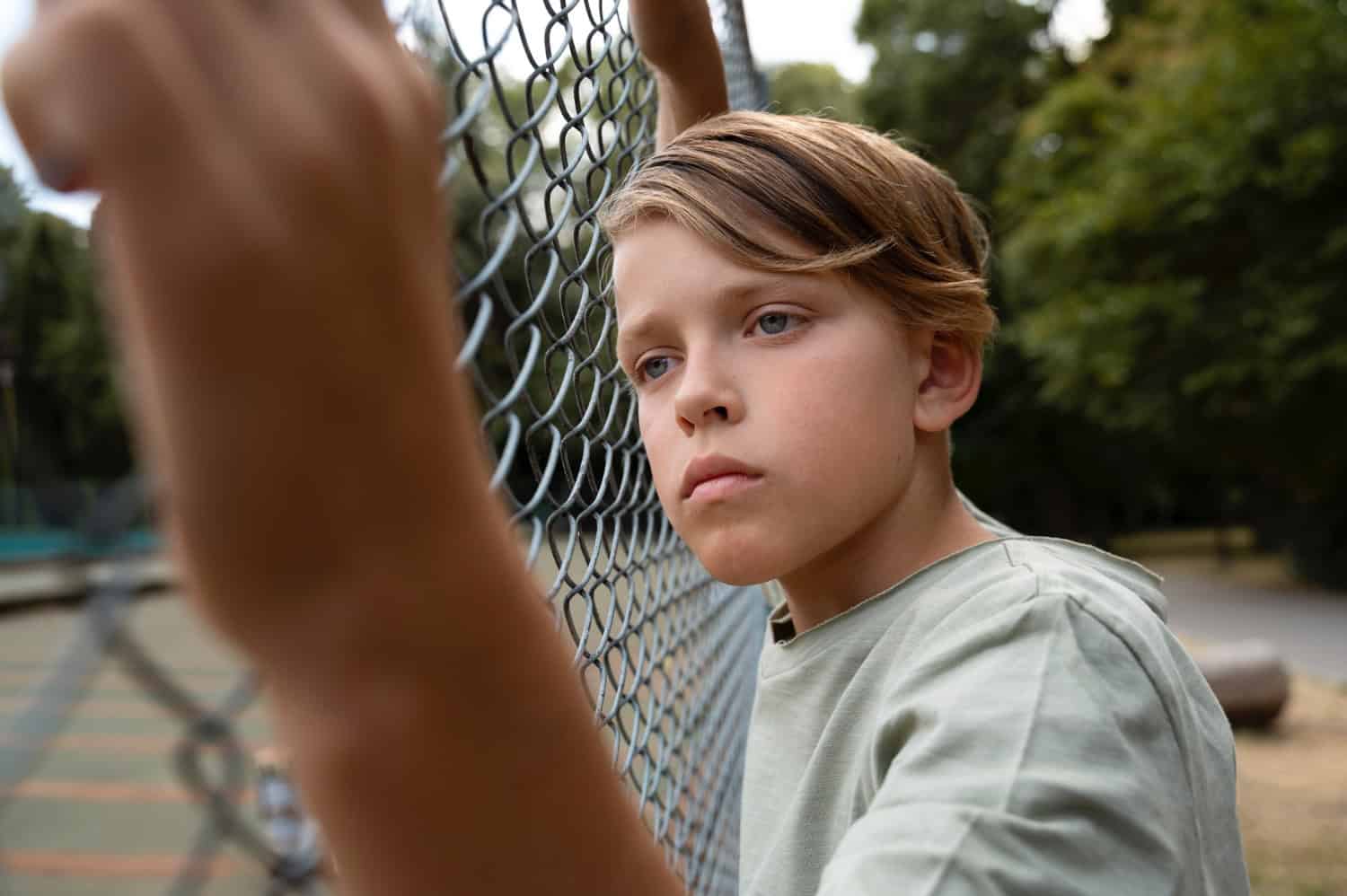
We’ve all heard the saying that children are our future, but what happens when a young person makes a serious mistake? In the past, the law often treated kids just like adults, focusing more on punishment than on helping them fix their lives. The Child Justice Act changed all that. It’s a law designed to keep our communities safe while making sure children who break the law get the guidance, discipline, and support they need to turn things around and grow into responsible adults.
Before the Child Justice Act
Before 2010, children who broke the law were treated the same as adults. This often led to harsh punishments that didn’t address young people’s unique needs and circumstances. Recognising the need for a more compassionate and effective approach, the Child Justice Act was introduced.
How the Act Works
The Child Justice Act aims to ensure that children who come into conflict with the law are dealt with in a way that promotes their rehabilitation and integration into society. It recognises that children are still developing and may not have the same level of maturity as adults.
The Act divides offences into three categories: minor, serious, and most serious. For minor offences, the focus is on restorative justice and diversion programs, which aim to repair the harm caused and help the child understand the consequences of their actions.
Key Provisions of the Act
- Age-Based Considerations: The Act sets different age limits for legal responsibility. Children under 12 are presumed to lack criminal capacity, while those between 12 and 14 are presumed to lack it unless proven otherwise.
- Focus on Rehabilitation: The Act emphasises rehabilitation and reintegration over punishment. This means that the justice system should strive to help children understand their mistakes and learn from them.
- Victim’s Rights: The Act recognises the importance of victims’ rights and ensures that their voices are heard throughout the process.
- Community Involvement: The Act encourages community involvement in addressing juvenile crime. This can include restorative justice programs and mentoring initiatives.
What to Do if Your Child Faces Legal Issues
If your child comes into conflict with the law, it’s important to seek legal advice. We can help you understand your rights and guide you through the legal process. Should you face a situation where your child comes into conflict with the law, contact us for professional assistance. Remember, the goal is not only to address the immediate issue but also to help your child learn from the experience and become a better person.
Conclusion
The Child Justice Act represents a significant step forward in our approach to juvenile crime. The Act aims to create a more just and compassionate system for children by focusing on rehabilitation, victims’ rights, and community involvement. It’s a reminder that even when children make mistakes, there is hope for redemption and a brighter future.


Recent Comments